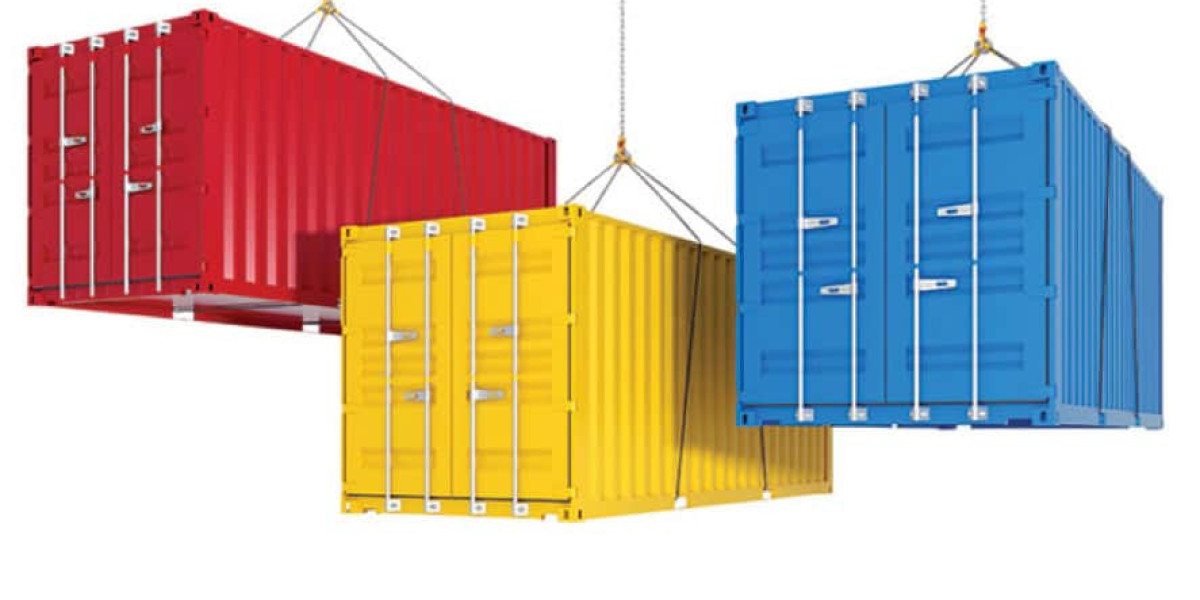

In today’s fast-paced digital landscape, businesses are constantly seeking solutions that accelerate application development while maintaining scalability and reliability. Containers as a Service (CaaS) has emerged as a transformative approach, offering organizations a managed environment to deploy, manage, and scale containerized applications efficiently. Unlike traditional infrastructure, CaaS provides a cloud-based platform that abstracts the complexities of container orchestration, enabling developers to focus on coding rather than infrastructure management.
At its core, CaaS combines the benefits of containerization with the flexibility of cloud computing. Containers encapsulate applications and their dependencies, ensuring consistent performance across multiple environments. With CaaS, organizations gain access to container orchestration tools like Kubernetes, integrated monitoring, and automated scaling, all delivered through a service model. This eliminates the need for extensive in-house expertise, reduces operational overhead, and accelerates time-to-market for new applications.
One of the key advantages of CaaS is its scalability. As business demands fluctuate, CaaS platforms automatically adjust resources to ensure optimal performance. This dynamic allocation not only improves efficiency but also significantly reduces costs associated with overprovisioning infrastructure. Additionally, CaaS enhances application reliability by offering high availability and disaster recovery capabilities, ensuring that critical applications remain accessible even during unexpected events.
Security is another critical aspect where CaaS offers value. Modern CaaS providers implement robust security measures, including container isolation, role-based access control, and continuous vulnerability scanning. These features help organizations safeguard sensitive data while adhering to industry compliance standards. Furthermore, CaaS supports seamless integration with DevOps practices, enabling continuous integration and continuous deployment (CI/CD) pipelines that streamline software delivery and improve collaboration between development and operations teams.
The adoption of CaaS is growing across industries, from startups to large enterprises. Organizations are leveraging CaaS to accelerate innovation, support microservices architecture, and simplify hybrid or multi-cloud strategies. By decoupling applications from underlying infrastructure, CaaS empowers businesses to respond quickly to market changes, enhance user experiences, and maintain competitive advantage.
Source - https://www.marketresearchfuture.com/reports/containers-as-a-service-market-4611
Containers as a Service represents a pivotal shift in cloud computing and application deployment. By combining containerization, orchestration, and managed cloud services, CaaS enables organizations to streamline operations, optimize resources, and innovate rapidly. As businesses continue to embrace digital transformation, CaaS will remain a cornerstone technology for achieving agility, scalability, and operational efficiency in an increasingly competitive landscape.